Miami Art Week meets African couture: what to know and wear
African Fashion Week Miami is set to bring global couture to Miami Art Week, and the cloth behind African fashion has long deserved a gallery setting.
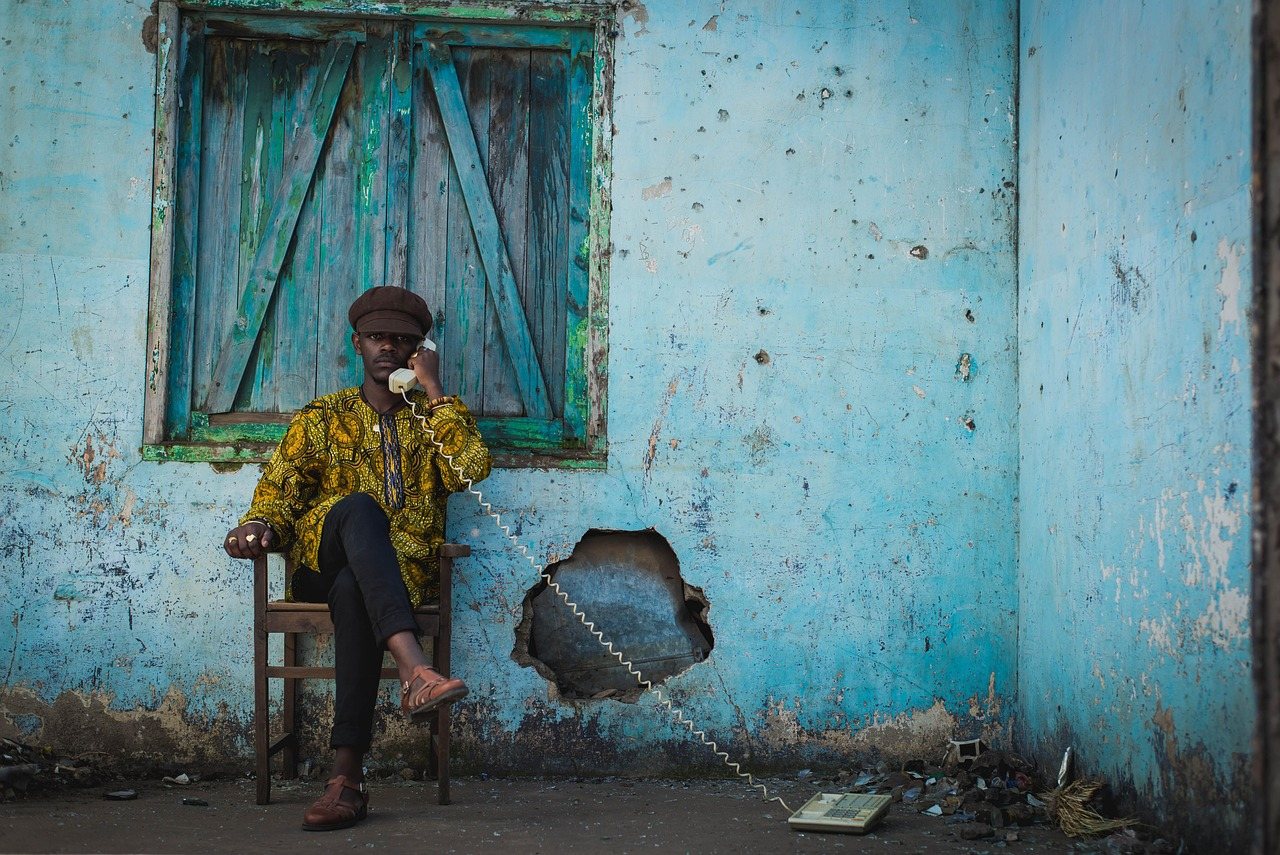
African Fashion Week Miami is set to bring global couture to Miami Art Week, according to WSVN. That headline is all we have at the moment: we have no designer list, schedule or venue details, and we won't guess at them. What we can do is tell you why the pairing of African fashion and an art week makes such good sense, and how to get the most from it, whether you are in Florida or following from Ilorin, Accra or Dakar.
Cloth as art: the West African tradition
For many West African families, cloth has never been only clothing. It records occasions, marks status and carries meaning, which is why a fashion week sitting alongside an art week feels natural.
Aso oke is the prestige cloth of the Yoruba. It is woven in narrow strips on a loom, and the strips are sewn edge to edge to make wider cloth. Among the best-known types are etu, a deep indigo with fine pale stripes, sanyan, a soft beige often associated with wild silk, and alaari, a rich red. It is worn at weddings, naming ceremonies and chieftaincy events: the buba and iro for women, the agbada and fila cap for men, and a stiffened, sculpted gele on top.
Kente is woven by the Akan (including the Asante) and the Ewe, again in narrow strips joined together. Its patterns and colour combinations often carry names and meanings, so choosing a kente is partly choosing a message. Many families keep their finest pieces for graduations, weddings and festivals.
Adire is Yoruba indigo-dyed cloth, long associated with Abeokuta and Ibadan. Patterns are made by resisting the dye: tying, stitching with raffia, or painting designs on with cassava starch paste before dipping. When the resist is removed, the pattern appears in pale lines against deep blue.
Print, drape and embroidery across the region
Then there is ankara, the wax-print cloth worn from Lagos to Abidjan. Its roots are often said to lie in Dutch efforts to imitate Indonesian batik, but West African women, traders and tailors made it their own through naming patterns, trading designs and building whole fashion cultures around it. A good ankara piece rewards structure: peplums, sharp sleeves and clean seams let the pattern do the talking.
In Senegal, Mali and neighbouring countries, the boubou is a masterclass in volume and drape. A grand boubou can be embroidered at the neckline and cuffs, and is often made from lustrous dyed damask, widely known as bazin. In Mali, bogolan, the hand-painted mud cloth, brings earthy browns and creams into the conversation, and designers have borrowed its motifs for both streetwear and tailoring.
This range is part of what "couture" means in an African context. Hand weaving, hand dyeing, hand embroidery and made-to-measure tailoring are not new luxuries here. They are long-standing skills.
What it means for lovers of African fashion
When African fashion is shown at an international art event, more people see it as craft and design, not as a trend. That is good news if you wear, collect or make this clothing. Some practical ways to use the moment:
- Look closely at the cloth. Ask where a fabric was woven or dyed and by whom. Understanding the difference between strip-woven aso oke, printed ankara and resist-dyed adire makes you a better buyer.
- Commission, don't just buy. A local tailor who understands your measurements and your cloth will give you a better result than a rushed purchase. Allow plenty of time for fittings.
- Mix heritage with modern cuts. An aso oke jacket over plain trousers, an adire shirt with tailored shorts, or a kente stole across a simple black dress all work well at gallery events.
- Dress for the venue. Art weeks involve a lot of walking and standing. Keep the statement to one place, such as a sculptural gele or a bold print, and choose comfortable shoes.
- Care for your pieces. Wash adire separately in cool water, because indigo can bleed. Treat aso oke and kente gently, avoid wringing, and consider specialist cleaning for heavily stiffened or embroidered items. Store them folded flat in cotton, away from damp and direct sun.
- Support the makers. Weavers, dyers and tailors keep these traditions alive. Buying directly from them, where you can, keeps the craft going.
We will watch for more details from the organisers and share anything confirmed. In the meantime, it is a good moment to look again at the cloths already in your wardrobe.
Source: this article was inspired by a report from WSVN (read the original).