Lush Hair Takes Centre Stage at Lagos Fashion Week 2026
Lush hair stole the spotlight at Lagos Fashion Week 2026, and it carries centuries of West African artistry with it.
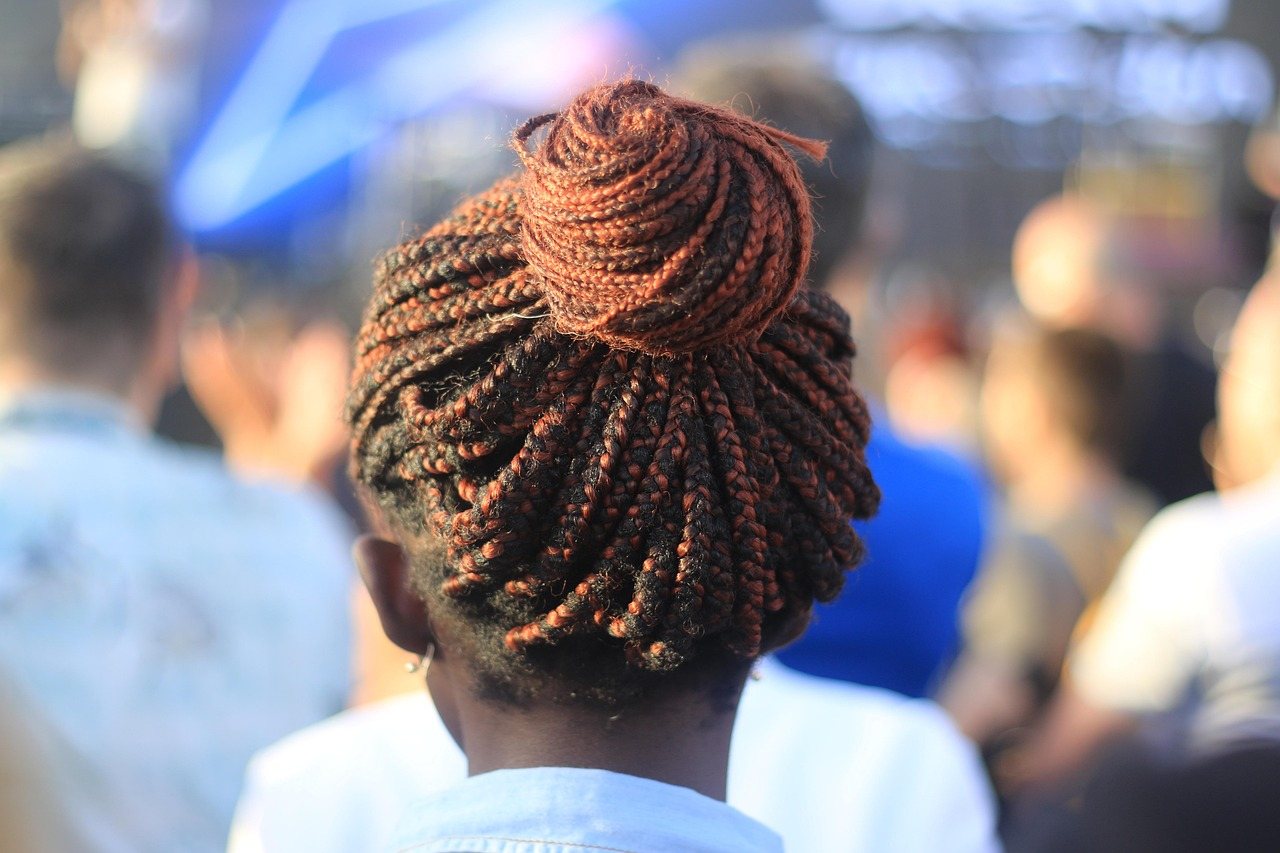
Hair has had its moment on the Lagos runway. According to THISDAYLIVE, lush hair stole the spotlight at Lagos Fashion Week 2026. The headline is all we have to go on, so we will not guess at which styles appeared. What we can do is look at why hair so often wins attention in this part of the world, and how you can borrow some of that energy.
A craft with deep roots
Across West Africa, hair has long been treated as something to be shaped, adorned and celebrated. Many families will tell you that a hairdressing session was never just about looks. It was a social occasion, with mothers, aunties and neighbours plaiting and talking for hours, and skills passed down by watching.
In Yoruba-speaking communities, hair threading (often called irun kiko) wraps sections of hair in thread, stretching and sculpting it into upright spirals, loops and bold geometric forms. Braiding is just as old a tradition across the region. Cornrows are often said to carry patterns that signalled community or status in some places, though the meanings varied and not every claim about them can be verified. Fulani braiding, found across the Sahel and into Nigeria, Mali and Senegal, is known for its side plaits and pendants, with beads, coins and cowries woven in.
The shapes you will recognise
Some of the styles most associated with West African hair artistry include:
- Cornrows: flat braids laid close to the scalp, in straight lines, curves or intricate patterns.
- Bantu knots: coiled knots that can be worn as they are or unravelled into soft, defined curls.
- Twists and braids: from Senegalese twists to chunky box braids, often lengthened with extensions.
- Natural afros and shaped crowns: full, rounded and carefully tended, showing the hair's own texture.
- Locs: worn short, long, or styled up into sculpted shapes.
- Wigs and hairpieces: long used for versatility, and a craft of their own when cut, coloured and fitted well.
"Lush" is a good word for all of these. Whether the hair is natural or extended, the effect depends on volume, shine and shape that looks deliberate.
Hair and attire: a partnership
Great hair does not compete with traditional dress; it frames it. A gele, the folded head tie worn with aso oke or lace, is itself a form of hair sculpture, and women often plan the style underneath so the wrap sits securely. With a boubou from Senegal or Mali, with its wide sleeves and often high neckline, an updo shows off the embroidery around the neck. A voluminous afro or braided crown can balance the clean, sweeping lines of an agbada. With patterned ankara or kente, sleek braids or a neat bun let the cloth take the lead.
What it means for you
If the runway has you thinking about your own hair, a few practical thoughts:
- Plan your style around your outfit. Choose the neckline, headwear and jewellery first, then ask your stylist what hair will sit well with them.
- Bring reference photos. Words like "full" or "neat" mean different things to different people. Pictures save time.
- Allow enough time. Intricate braiding or threading can take hours, so book the day before a big event rather than the morning of it.
- Protect the scalp. Braids and twists that are too tight can cause tension and breakage. Speak up if something pulls.
- Moisturise and cover at night. Light oils or leave-in creams, and a satin bonnet or scarf, help keep hair soft and styles neat for longer.
- Mind the edges. Keep them gently handled and avoid pulling the same hairline into tight styles repeatedly.
- Look after wigs and extensions. Detangle gently, store them on a stand or in a breathable bag, and wash according to the hair type.
- Support local stylists. Hairdressers and braiders are artists, and their skill is worth seeking out and paying fairly.
Whatever the full story from Lagos turns out to be, the headline tells us something we already knew: in West African fashion, the crown is part of the outfit.
Source: this article was inspired by a report from THISDAYLIVE (read the original).