Kumasi designer trains women: the craft behind the cloth
A Kumasi fashion designer is reported to be empowering women through skills training, and the city's long tradition of cloth and tailoring explains why that matters.
According to Modern Ghana, a fashion designer based in Kumasi is empowering women through skills training. The report, filed under women entrepreneurs, puts a Kumasi designer at the centre of an effort to help women learn skills they can build a living on. We have no further details of the programme, so we will not guess at them. What we can do is explain why such work sits comfortably in a city with one of the deepest cloth traditions in West Africa.
Kumasi, the Asante capital and a cloth city

Kumasi is the heart of the Asante region, and cloth has long carried weight here. Nearby towns are famous for it: Bonwire is closely associated with kente weaving, and Ntonso with adinkra cloth. Many families in these communities have passed skills down through generations, and a young person often learns by sitting beside someone who already knows the work.
Kente is woven in narrow strips on a horizontal loom, and the strips are then sewn edge to edge into a wide cloth. Its origin is often said to trace back to weavers who were inspired by a spider spinning its web, though accounts vary. Colours and patterns carry meanings: gold is widely read as wealth and status, green as growth and renewal, and blue as peace and harmony. Different patterns have their own names, and the Ewe of Ghana's Volta region have their own distinct kente tradition too.
Adinkra cloth is a different craft. Symbols are stamped onto cotton using carved calabash stamps and a dark dye traditionally made from tree bark. Well-known symbols include Sankofa, often explained as "go back and fetch it", and Gye Nyame, which is associated with the supremacy of God. Adinkra cloth is often worn at funerals and commemorations, so check the occasion before you choose colours.
From the loom to the tailor's table
Ghanaian dress is not only about woven cloth. Everyday and celebration wear alike depend on skilled tailors and seamstresses, and many women in Ghana learn the trade through apprenticeship, working under an experienced seamstress who teaches cutting, fitting and finishing.
The kaba and slit is a good example of what that training produces. It is a fitted blouse (kaba) paired with a long wrapped or fitted skirt with a slit, often made in vibrant wax print, and sometimes in kente or other cloth for formal occasions. It looks simple, but it demands precise measuring, careful darting and clean seams. A well-made one moves with you, which is why a good seamstress is so valued.
Skills such as pattern drafting, working with different fabrics, finishing and fitting are the foundation of a fashion business, whether someone sews for local clients or builds a label of her own. Training in them turns a love of clothes into something a woman can sustain.
What this means for lovers of African fashion
Stories like this are a reminder that the beautiful thing on the hanger began with someone's hands. Here are some practical ways to act on that:
- Commission, don't only buy. Take your fabric to a local tailor or seamstress and have something made to your measurements. You get a better fit, and the money stays in the community.
- Ask about the cloth. If you are buying kente or adinkra, ask where it was woven or stamped and what the pattern is called. Real makers are usually happy to explain.
- Allow time and fabric. Good tailoring cannot be rushed. Allow generous yardage for gathers, linings and matching patterns, especially with strip-woven cloth, where the stripes need to line up.
- Care for it properly. Hand wash kente in cool water with mild soap, never wring it hard, and dry it in the shade so the colours stay rich. Adinkra cloth is best washed gently and separately at first, as stamped dyes can run. Store both folded loosely, away from damp.
- Support training where you can. Follow and share designers who teach, credit them when you wear their work, and recommend them to friends planning weddings or naming ceremonies.
When women learn to cut, sew and finish, they carry a tradition forward and take part in shaping what comes next.
We will be watching to see how this Kumasi story develops.
Source: this article was inspired by a report from Modern Ghana (read the original).
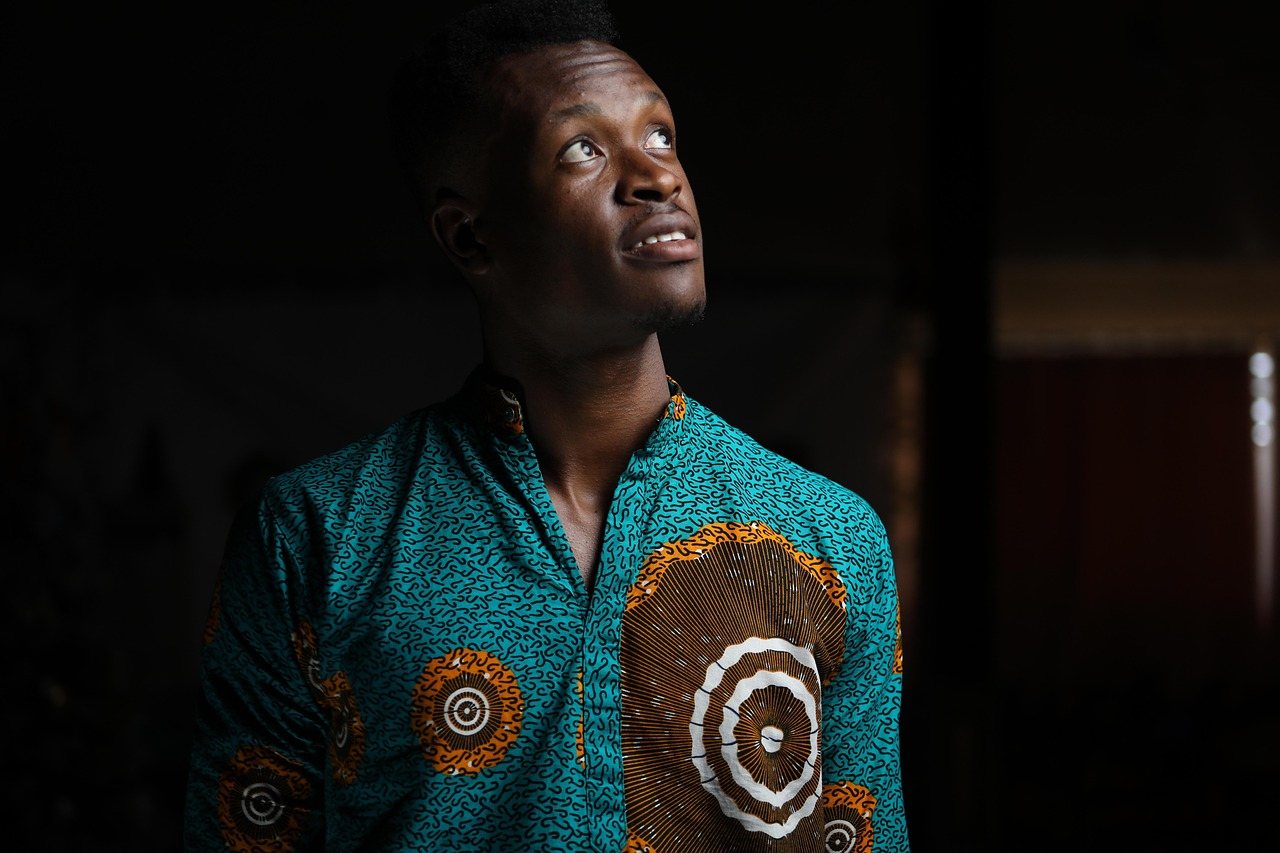
Cover photo: msjadvertising / Pixabay