Gele Festival Puts Yoruba Heritage and the Headwrap in the Spotlight
A maiden Gele Festival has put the Yoruba headwrap in the spotlight, so here is the history, craft and know-how behind one of Nigeria's most recognisable adornments.
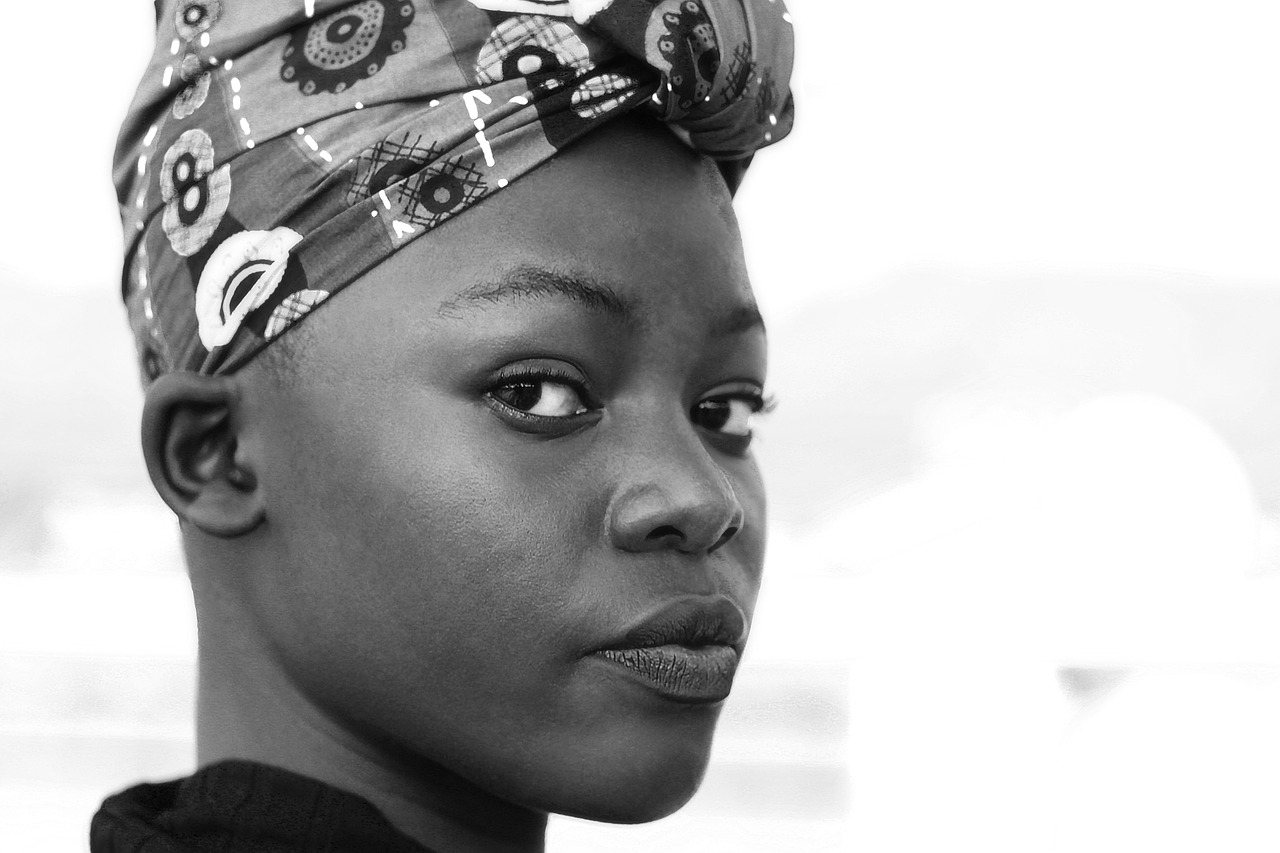
A ministry has celebrated Yoruba heritage at a maiden Gele Festival, according to The Guardian Nigeria News. The headline tells us this was a first-of-its-kind gathering, and it puts the gele, the sculpted headwrap worn at Yoruba weddings, naming ceremonies and celebrations, at the centre of the conversation about culture.
We do not have more detail than that, so let us do what we do best and look at the cloth, the craft and the meaning behind the headwrap.
What the gele is, and why it matters
The gele is a length of fabric folded, pleated and wrapped around the head into a shape that can be modest and neat or architectural and dramatic. In Yoruba communities it is far more than an accessory. It signals that an occasion matters, and a well-tied gele is often said to reflect the care a woman has taken over how she presents herself.
Traditionally the gele belongs to a full outfit: the iro (wrapper), the buba (blouse) and the ipele, a shawl or extra piece of cloth worn over the shoulder or tied at the waist. The gele and ipele are usually cut from the same fabric, which gives the whole look its harmony. Many families also coordinate geles for the aso ebi, the matching cloth chosen for a celebration, so a row of women at a wedding can read like a single, glorious sentence.
The fabrics behind the folds
Not every cloth makes a good gele. The shape depends on how the fabric holds itself.
- Aso oke: the hand-woven strip cloth of the Yoruba, made on narrow looms and sewn into wider panels. It is thick and textured, with a lovely structure. Well-known types include etu (a deep indigo with fine pale stripes), sanyan (a soft, earthy cloth often associated with wild silk) and alaari (a rich red). Aso oke geles are prized for ceremonies and are often handed down.
- Sego: a stiff, often shiny fabric made specifically for geles. It creates crisp, sharp folds and is popular for dramatic, high shapes.
- Brocade, damask and lace-style fabrics: lighter and softer in structure, they suit gentler wraps and often come in jewel colours or metallic threads.
The fabric you choose decides the style. Stiff cloth makes sculpture. Softer cloth drapes and tucks into rounded forms.
How a gele is tied
Tying a gele is a skill, and many people have a favourite relative or professional they trust with it. The basic steps are consistent:
- Start with smooth, flat hair, such as cornrows or a low bun, so the base sits evenly. A thin head scarf or cap underneath helps the cloth grip.
- Wrap the fabric around the head, securing the first anchor point at the front or side.
- Fold and pleat the cloth in layers, directing the volume to one side, to the front or upwards, depending on the style.
- Tuck the ends in firmly and secure with pins, taking care not to snag the fabric.
Pre-tied or "auto" geles, which are sewn into shape and slipped on like a hat, have become popular for anyone who wants the look without the wrestling. They are a sensible option for travel and long events.
What this means for lovers of African fashion
A festival devoted to the gele is a reminder that headwraps are living tradition, not museum pieces. The Yoruba gele sits in a wider family of African head coverings, including the duku in Ghana, the doek in southern Africa and the moussor in Senegal. Each has its own fabrics, folds and etiquette, and each deserves to be understood on its own terms.
If you want to wear a gele with confidence, here are a few practical ideas:
- Match the cloth to the occasion. Aso oke for formal ceremonies, sego for statement moments, softer fabrics for daytime.
- Balance the volume. A big gele pairs well with a simpler neckline and earrings that are not too heavy. A smaller wrap gives you room for bold jewellery.
- Think about colour. Gold or coral beads sit beautifully against deep indigo, red or green, and plain geles let patterned blouses speak.
- Care for the cloth. Steam rather than press with high heat, especially on metallic or lace-style fabrics. Fold stiff geles flat or roll them loosely, and keep aso oke dry and away from direct sun to protect the dye.
- Practise ahead. Try your style at home before the event, and photograph the finished shape from all sides.
Whether you are tying your first gele or your hundredth, the beauty lies in the care you put into it.
Here is to more festivals that give the gele its due.
Source: this article was inspired by a report from The Guardian Nigeria News (read the original).