Afrofest Nelson and the Fabrics That Carry African Community
As Afrofest Nelson celebrates African culture and community, we look at the cloth and dress that so often bring people together at gatherings like this.
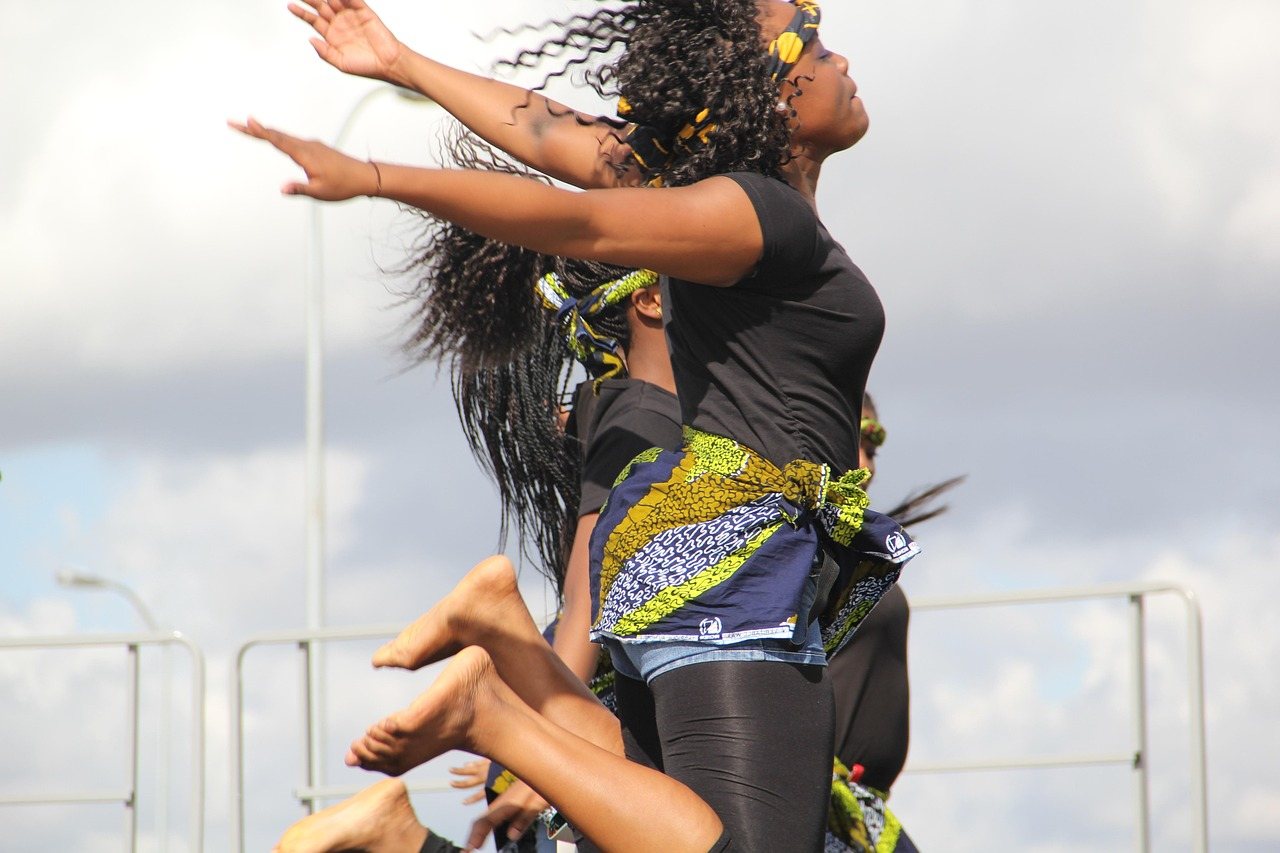
According to Top South Now, Afrofest Nelson celebrates African culture and community. The headline is all we have to go on, so we will not guess at the programme, the performers or the crowd. What we can do is talk about something that appears at almost every gathering of this kind: the clothes. Wherever African communities come together, cloth tends to say what words cannot.
Why festival dress matters
For many families, dressing up for a cultural event is a way of saying who you are and where you come from, especially for those living far from home. A wrapper, a headtie or a well-cut agbada is rarely just an outfit. It can point to a region, a language group, a family occasion or a particular moment in life.
Colour and pattern often carry meaning too, though the details vary widely between communities. Africa is a continent of thousands of cultures, so it is always worth asking the wearer what a piece means to them rather than assuming.
Fabrics you are likely to see
Three cloth traditions turn up again and again at celebrations, and each has its own story.
- Aso oke. This is the hand-woven cloth of the Yoruba, made in narrow strips on a loom and then sewn together. Here in Ilorin it is part of everyday celebration life. It is woven in heavy, structured weights for caps (fila), wrappers, and the head wraps known as gele. Many families keep aso oke for weddings and naming ceremonies, and it is often passed down.
- Kente. Associated with the Asante and Ewe peoples of Ghana, kente is also woven in strips, with bold geometric patterns and bright colour blocks. Patterns and colours are often said to carry names and meanings, and it is traditionally worn for important occasions.
- Wax prints, often called Ankara. These cotton fabrics are printed with vivid designs on both sides. Their history is layered: they are often said to have grown out of European attempts to imitate Indonesian batik, and West African markets and wearers then made them entirely their own. Today, patterns are named, traded and worn with great pride, and tailors turn them into everything from gowns to tailored suits.
You may also see indigo-dyed adire from Yorubaland, where patterns are made by tying, stitching or resisting the dye with starch. East African kanga and kitenge, printed cottons often worn as wraps or sewn into dresses, are also common at pan-African gatherings.
How these pieces are worn
A gele is folded and pleated around the head, and its height and shape are part of the statement. Wrappers are tied at the waist, often over a fitted blouse. Agbada, a wide flowing robe, sits over a matching top and trousers. Wax print is the most flexible of all: it can be made into a structured peplum top, a shirt dress or a simple head wrap.
The golden rule is balance. If your cloth is loud, keep the shape clean and the accessories simple. If your cloth is a quiet indigo, add a bold bead necklace or a rich gele.
What this means for lovers of African fashion
Events like this are a reminder that African style does not only live on runways. It lives in community halls, in family kitchens and in the quiet pride of someone wearing their grandmother's wrapper. Here are some practical ways to take part, whether you are at a festival or simply at home.
- Wear it with understanding. If you are not from the culture a cloth belongs to, ask the maker or seller what it means and when it is worn. Many communities are happy to explain and glad to see genuine interest.
- Buy from makers. Ask who wove, dyed or sewed the piece. Hand-woven cloth takes days, and a fair price reflects that.
- Check the fabric. Real wax prints feel stiff when new and soften with washing. Hand-woven strips should have slight natural irregularities.
- Wash with care. Wash wax prints and adire inside out in cool water, separately, as indigo and strong colours can bleed. Never wring kente or aso oke; press out the water, dry in shade and iron on the reverse. For heavily embellished or very old pieces, a specialist cleaner is safer.
- Store properly. Fold woven cloth loosely, refold it from time to time to avoid permanent creases, and keep it away from damp and direct sun.
We will keep an eye on further reports from Afrofest Nelson. Meanwhile, take a good look at your wardrobe: the cloth you love has a story, and community is where it shines.
Source: this article was inspired by a report from Top South Now (read the original).