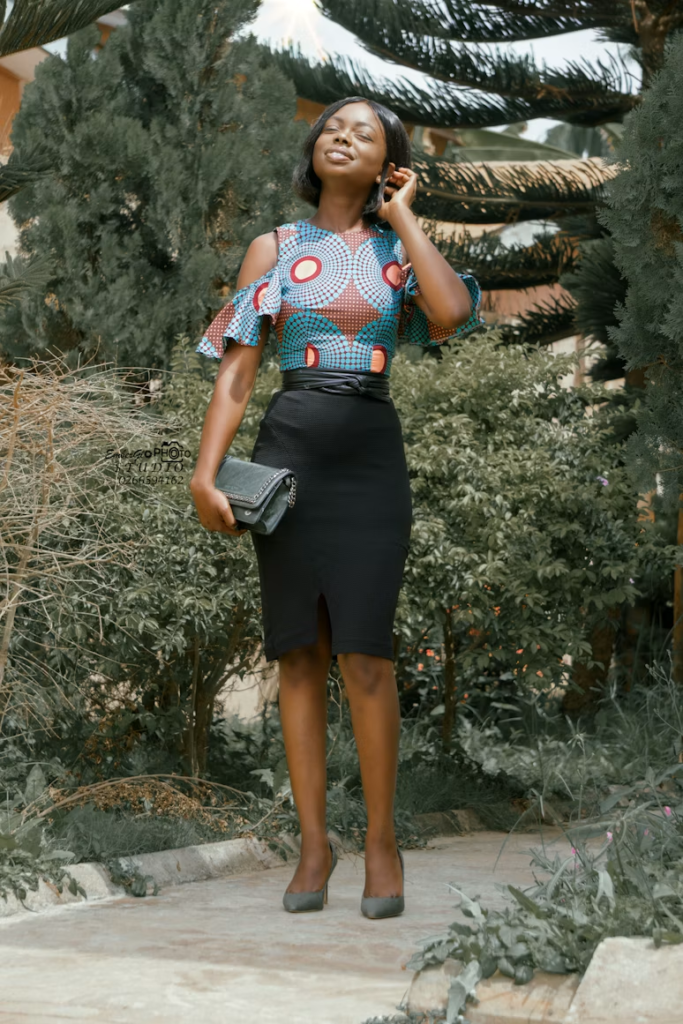
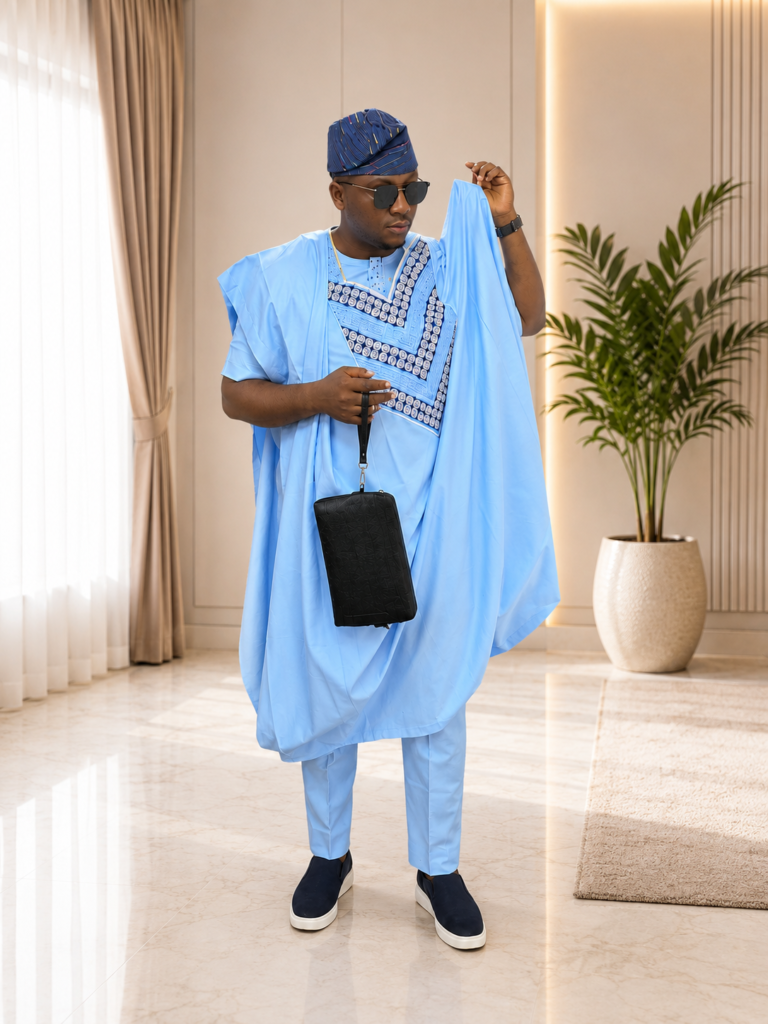
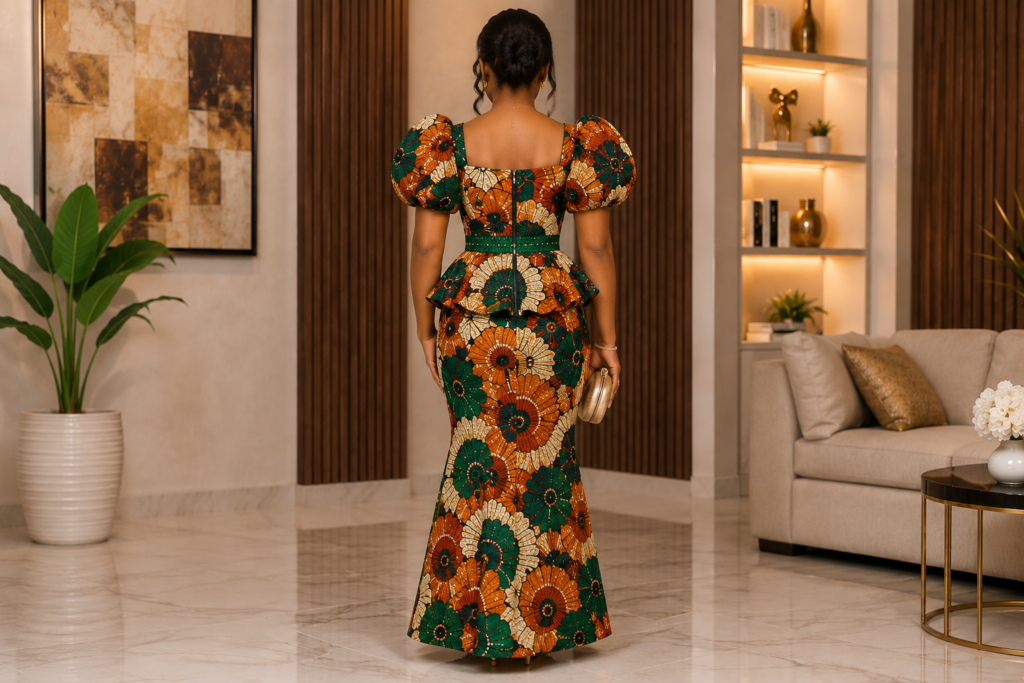
There is a reason Ankara never goes out of style. While Western fashion trends arrive and disappear within a single season, Ankara has remained at the centre of African fashion for generations — not because it is traditional, not because it is familiar, but because it is genuinely, objectively excellent. The fabric works. The prints work. The identity it carries works.
This is not nostalgia. This is not sentiment. This is a case built on craft, versatility, culture, and sheer visual power. And by the end of this article, you will understand exactly why Ankara is not just the best fabric for African fashion — it is one of the most remarkable textiles in the world.
What Exactly Is Ankara?
Before the argument can be made, the fabric deserves a proper introduction.
Ankara — also widely known as African wax print or Dutch wax print — is a brightly coloured cotton fabric produced through a wax-resist dyeing technique. The process involves applying wax to the fabric in precise patterns before dyeing, so the waxed areas resist the dye and create the distinctive bold designs that Ankara is known for. The result is a fabric with intense, saturated colour on both sides, a slightly waxy texture, and a characteristic crinkle that makes it immediately recognisable by touch.
The fabric has a genuinely complex history. The wax-printing technique has roots in Indonesian batik traditions, was industrialised by Dutch manufacturers in the nineteenth century, found its way to West Africa through trade, and was adopted so enthusiastically and so creatively by African communities that it has long since become something entirely its own. Today, Ankara is produced across West Africa, with Nigeria, Ghana, Côte d’Ivoire, and Senegal among the most significant markets. Nigerian manufacturers and designers have made particularly distinctive contributions to the fabric’s evolution, developing print families and colour combinations that are now recognisable worldwide.
The fabric is Ankara. But the identity it carries is wholly and completely African.
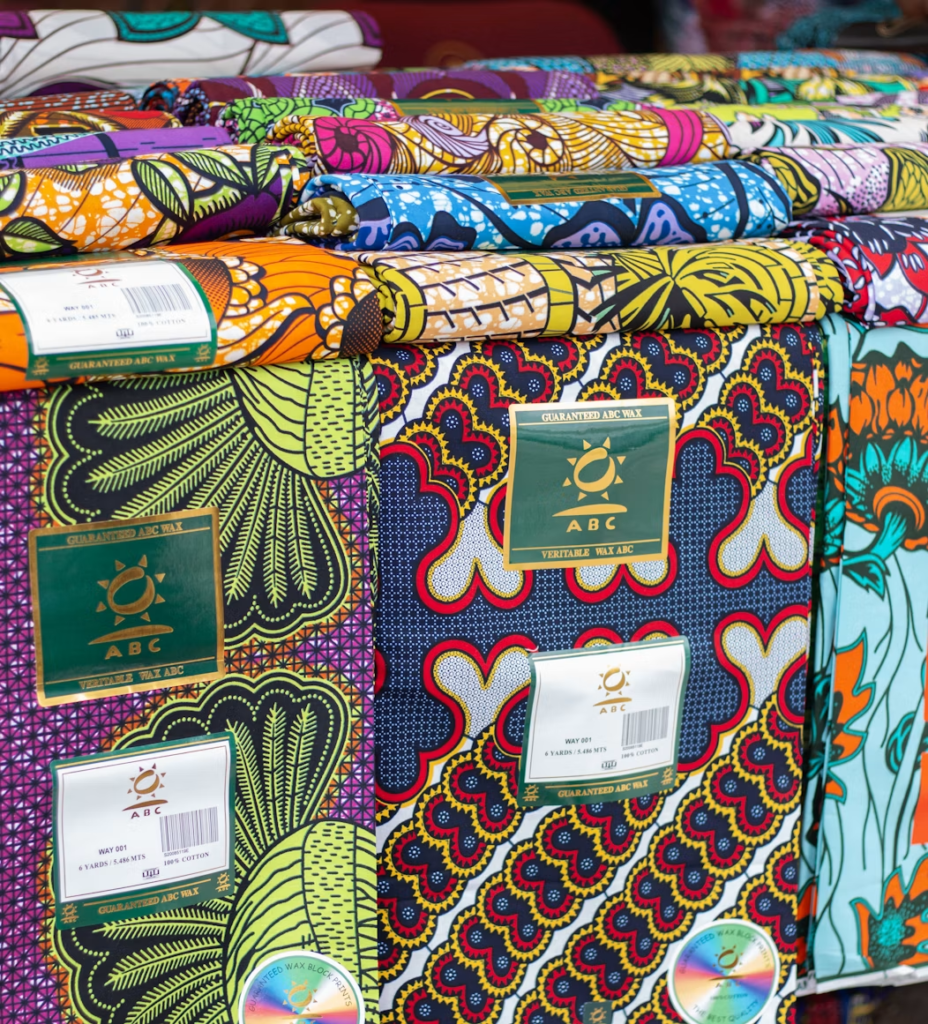
The Case for Ankara: Seven Reasons It Stands Above Every Other Fabric
1. The Print Does the Work
The single most powerful thing about Ankara is that the fabric itself is already a complete design statement before a tailor touches it. No other fabric — not plain linen, not damask, not even high-quality cotton — arrives with the visual complexity that Ankara brings by default.
A well-chosen Ankara print contains colour, geometry, rhythm, and cultural meaning all at once. This means that even a relatively simple garment silhouette — a straight skirt, a basic blouse, a wrap dress — becomes a considered, composed look simply by virtue of the fabric it is cut from. The tailor’s job is to honour the print. The print does everything else.
For African dressing, where occasions call for genuine visual presence — ceremonies, celebrations, owambe events, naming days, traditional introductions — Ankara delivers that presence reliably and powerfully.
2. It is the Most Versatile Fabric in African Fashion
Consider the range of garments Ankara can produce. Agbada. Skirts and blouses. Trousers. Dresses. Jumpsuits. Blazers. Shorts. Headwraps. Bags. Shoes. Children’s wear. Bridal accessories. Home furnishings.
No other fabric in the African wardrobe comes close to this range. Aso-Oke is magnificent but specific in its application. George lace is beautiful but primarily ceremonial. Linen and cotton are versatile but visually neutral. Ankara does everything, for everyone, at every occasion level, from the most casual Friday to the grandest traditional wedding ceremony.
This versatility is not accidental. It is the natural result of a fabric that combines structural reliability with visual richness. The cotton base gives Ankara strength, drape, and workability that synthetic fabrics cannot replicate. The wax printing gives it the visual dimension that plain cottons lack. The combination produces a fabric that is genuinely useful at every level of dressmaking.
3. It Celebrates African Identity Without Apology
When an African person wears Ankara, they are not simply wearing a garment. They are making a declaration. Ankara is one of the clearest visible signals of African identity in the world — recognised in Lagos, London, New York, Paris, and Tokyo. It announces cultural pride loudly, clearly, and beautifully.
This matters enormously. Fashion has always been one of the primary ways that communities assert their presence and their value. For African communities, both on the continent and in the diaspora, Ankara has served this function with extraordinary consistency. A young Nigerian professional walking into a meeting in London in a well-tailored Ankara blazer is not compromising between cultural identity and professional ambition — they are asserting that the two are not in conflict. That is powerful.
Ankara does not ask permission to be present. It simply is.
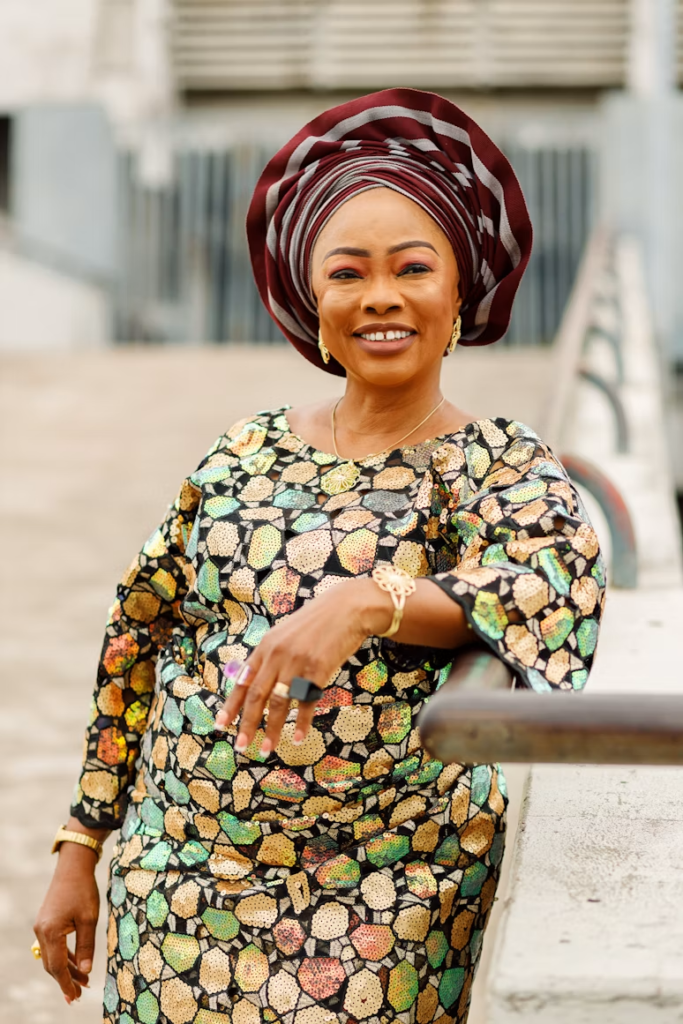
4. Every Print Tells a Story
Traditional Ankara prints are not randomly generated patterns. Many carry specific names, meanings, and cultural histories. The “woodin” prints of Côte d’Ivoire, the “Super Wax” prints of Dutch origin adopted across West Africa, the locally produced Nigerian prints — all have histories, associations, and meanings that are understood within their communities.
Some prints are associated with specific occasions — certain patterns are worn at weddings, others at funerals, others at celebrations of achievement. Some prints carry proverbs or messages embedded in their imagery. The “jealous ex” print, the “money has wings” print, the countless prints whose names tell small social stories — these are not accidents. They are evidence of a community that has taken a foreign commercial product and made it a carrier of its own culture, humour, wisdom, and social commentary.
Wearing Ankara, in this sense, is participating in an ongoing cultural conversation. The fabric is a language.
5. It Works for Every Body
Ankara is one of the rare fabrics that is genuinely flattering at every size and shape. The reasons are structural. The firm cotton weave gives garments structure without stiffness, allowing clothes to hold their shape around the body rather than clinging or drooping. The bold prints provide visual distraction from proportional concerns — the eye follows the pattern, not the silhouette. And the wide range of available garment styles means that every person can find an Ankara cut that suits their body perfectly.
The high-waisted Ankara skirt elongates and defines. The wrap dress flatters every proportion. The Ankara blazer adds structure to any frame. The trouser suit creates presence without bulk. Whatever your body, whatever your occasion, there is an Ankara garment that will make you look and feel extraordinary.
6. It is Accessible at Every Price Point
Ankara is one of the most democratically accessible fashion fabrics in the world. A Nigerian person can spend ₦3,000 on a yard of Ankara from Balogun Market and produce a garment that, properly tailored, looks as distinguished as something that cost ten times more. At the premium end, the finest Super Wax and designer Ankara prints command serious prices and produce genuinely luxurious garments. But the fundamental fabric is available across the full economic spectrum in a way that very few truly beautiful materials are.
This accessibility has made Ankara the fabric of Nigerian fashion at every social level. It is worn by market traders and ministers, by children at naming ceremonies and grandmothers at golden jubilees, by Lagos fashion models and Ilorin tailors. No other fabric has this range.
7. It Ages and Washes Well
This is a practical point but an important one. A well-produced Ankara fabric holds its colour and its print through many washes better than most other printed fabrics. The wax-resist process produces dye penetration that goes deep into the fabric rather than sitting on the surface, which means Ankara does not fade the way screen-printed cotton or polyester fabrics do. A well-cared-for Ankara garment can last years, even decades, without losing the vibrancy that makes it special.
In a continent where quality and durability matter enormously — where fashion is often a serious financial commitment — this durability is not a small thing. Ankara rewards the investment.
Ankara Versus Other African Fabrics: An Honest Comparison
To say Ankara is the best fabric for African fashion is not to dismiss the others. The African textile tradition is extraordinarily rich, and several fabrics deserve serious respect.
Aso-Oke is in many ways the most prestigious fabric in Yoruba culture — hand-woven, intricate, and carrying centuries of craft tradition. For the most significant traditional occasions — weddings, chieftaincy celebrations, high-level ceremonies — a quality Aso-Oke Agbada or gele is unmatched. But Aso-Oke is specific. It does not translate to everyday wear, to professional settings, or to children’s fashion the way Ankara does.
Kente from Ghana is one of the world’s most recognisable textiles — a hand-woven silk and cotton fabric with a visual complexity that is breathtaking. Like Aso-Oke, it is primarily ceremonial and its range of application is more limited than Ankara’s.
George lace is the fabric of choice for Igbo brides and ceremonies — rich, heavy, and deeply associated with celebration and status. Again, beautiful but specific.
Adire — the Nigerian indigo-dyed resist fabric — is one of the most culturally rooted textiles in African fashion and is experiencing a significant creative revival. At its best, Adire is extraordinary. But it is a specialist fabric rather than an everyday one.
Ankara sits above all of these in versatility, accessibility, and range of application — not because it is more beautiful in every context, but because it can be all things to all occasions. It is the foundation fabric. The one that every African wardrobe is built around.
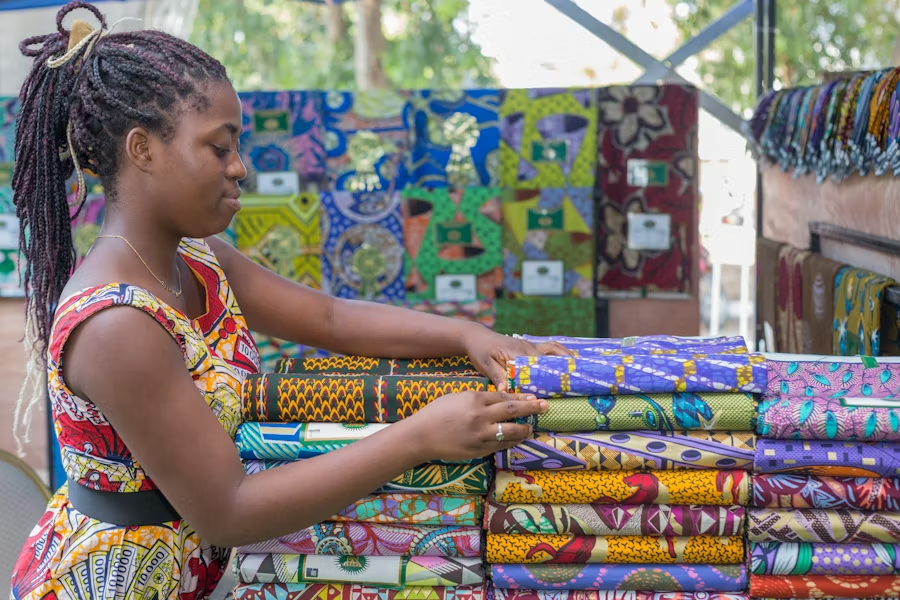
How to Wear Ankara in 2026
The best Ankara dressing in 2026 is doing three things simultaneously.
Mixing prints with intention. The mixed-print Ankara outfit — where blouse and skirt, or jacket and trousers, use different but complementary prints — is one of the most striking looks in contemporary African fashion. The rules are simple: keep the colour palette consistent across both prints, vary the scale significantly (one large-scale print, one small-scale), and let the two fabrics have a visual conversation rather than a competition.
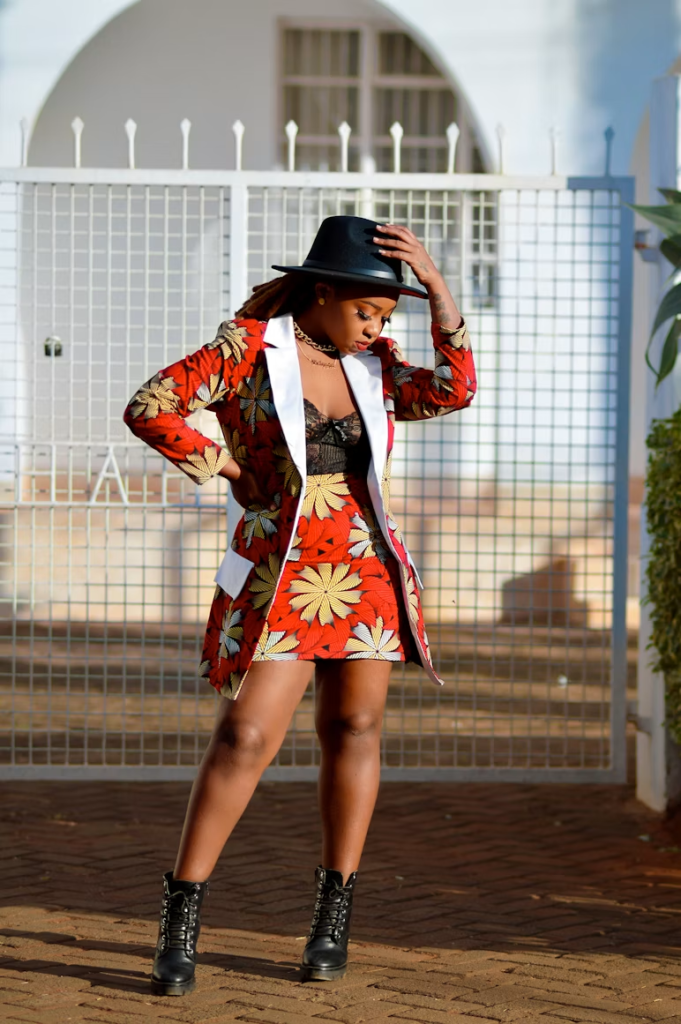
Pairing with Western silhouettes. The Ankara blazer over plain trousers. The Ankara midi skirt with a white button-down. The Ankara trouser suit. These combinations work because they allow Ankara to carry the statement while clean Western-cut basics provide structural balance.
Letting the print lead. The most common mistake in Ankara dressing is over-accessorising. Ankara prints are visually complete on their own. A bold Ankara dress needs minimal jewellery — a single gold piece, clean shoes, and the confidence to let the fabric be the centrepiece. Restraint in everything except the fabric itself is the operating principle of the best Ankara looks.
A Final Word
Ankara is the best fabric for African fashion because it does something no other fabric does: it carries African identity forward into every context — casual and formal, everyday and ceremonial, continental and diaspora — without compromise, without apology, and without ever looking like anything other than exactly what it is.
It is bold because African culture is bold. It is complex because African culture is complex. It is alive because African culture is alive.
Wear it well.
Looking for a bespoke Ankara outfit — skirt and blouse, dress, or full three-piece — designed and made specifically for you? Contact Ola & Vick on +234 81 0712 7312 — call or WhatsApp and we will take care of everything.
Also read: Ankara Skirt and Blouse: The Most Beautiful New Designs for 2026 · The Ultimate Guide to Agbada Styles in 2026 · More in Fashion