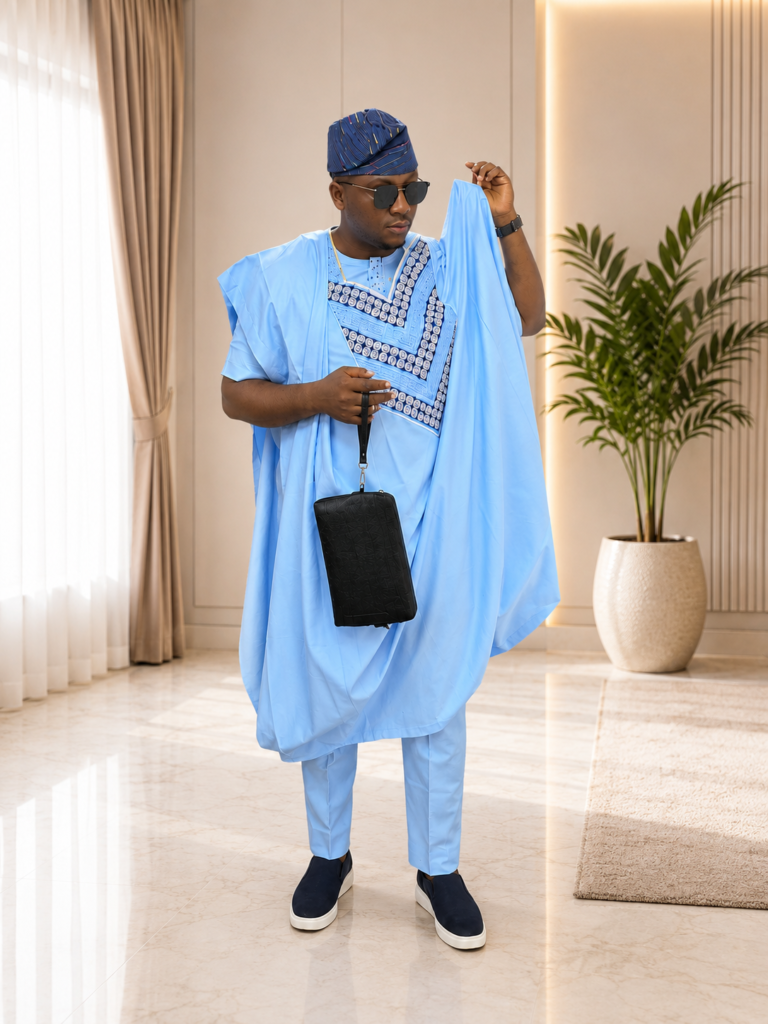
Agbada is not just clothing. It is a statement. When a man walks into a room in a well-fitted Agbada, everything stops — and that is exactly the point.
Nigeria’s most iconic traditional outfit has been worn by kings, presidents, and grooms for centuries. But 2026 is different. A new generation of designers and fashion lovers are pushing Agbada into territory it has never explored before — bolder embroidery, unexpected colour combinations, and silhouettes that feel equally at home on a Lagos rooftop or a London red carpet.
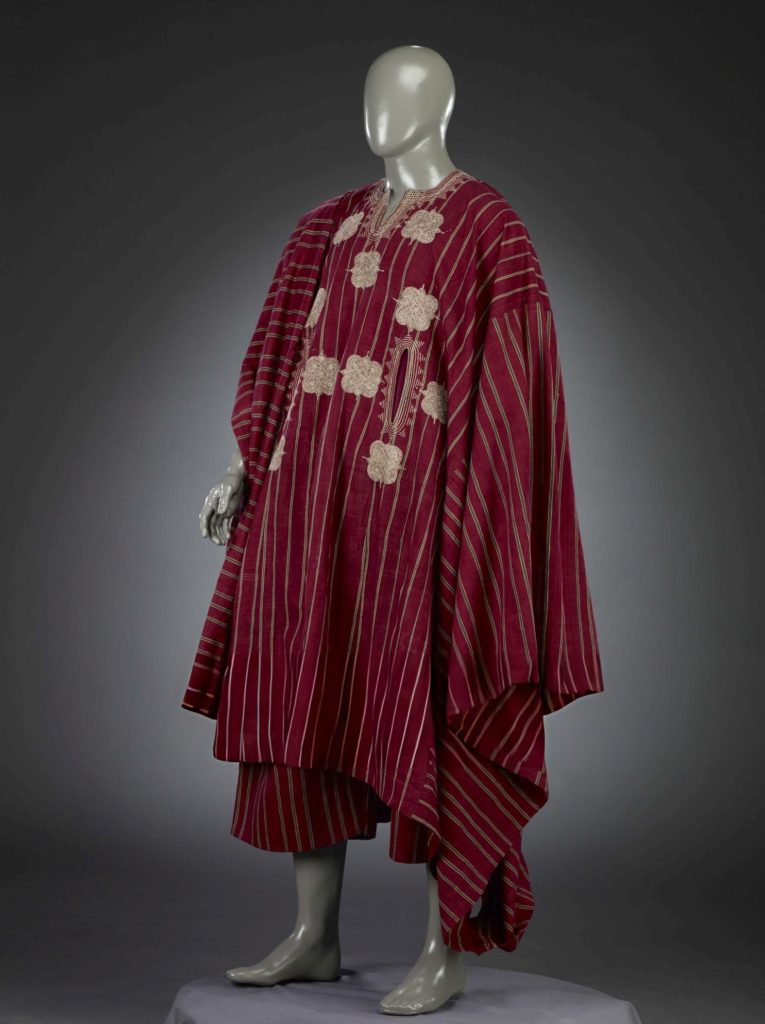
This is your complete guide to wearing it right.
What Exactly Is Agbada?
Agbada is a three-piece outfit consisting of:
The Agbada — the wide, flowing outer robe with large sleeves. This is the showpiece. It can reach the ground or stop at the knee depending on the occasion and personal preference.
The Dandogo — the inner long-sleeved shirt worn beneath the outer robe. It sits closer to the body and is usually made from the same fabric.
The Sokoto — the matching trousers, traditionally loose-fitting and tied at the waist.
Together, the three pieces create one of the most visually commanding looks in African fashion. The outfit originates from Yoruba culture in western Nigeria but has spread across West Africa and beyond, adopted and celebrated by different cultures who have made it their own.
The Best Fabrics for Agbada in 2026
The fabric makes or breaks an Agbada. Here is what our editors are seeing dominate this season:
Aso-Oke — the gold standard. Hand-woven by Yoruba artisans, Aso-Oke comes in three traditional weaves: Alaari (deep red), Sanyan (beige-brown), and Etu (dark indigo). A high-quality Aso-Oke Agbada is a generational piece.
Lace — Swiss lace and George lace remain extremely popular for weddings and celebrations. They drape beautifully and catch light in ways that synthetic fabrics simply cannot match.
Damask (Shadda) — a brocade fabric with a subtle, self-coloured pattern woven in. It gives structure to the outfit and looks elegant at both formal and semi-formal events.
Cotton Embroidered — the everyday warrior. Lightweight, breathable in Nigeria’s climate, and endlessly customisable. Lagos heat demands this option at most outdoor events.
What to avoid: Cheap polyester blends that lose their shape after one wear. If the fabric does not feel substantial in your hands at the market, it will not look substantial on your body.
Colours That Are Leading in 2026
This season has seen a confident move away from safe neutrals toward deeper, more considered tones.
Deep burgundy and wine are everywhere — they photograph exceptionally well and work for both daytime owambes and evening celebrations.
Sage green and olive have crossed over from Western menswear into traditional fashion seamlessly. Paired with gold embroidery, the combination is exceptional.
Ivory and off-white remain timeless for weddings — but the distinction in 2026 is in the embroidery. Plain white is outdated. Ivory with heavy gold or silver thread work is the current standard.
Midnight navy is having a particular moment. Navy Agbada with silver embroidery is the outfit of the year for formal occasions.
What is fading: Bright lime green, electric blue, and overly bold patterns that compete with the embroidery. The direction this year is towards richness, not loudness.
Embroidery: The Detail That Defines Everything
The embroidery on an Agbada tells you everything about the quality and intention of the outfit. The front chest panel — called the aso opening — is where the embroidery is concentrated, and it is the first thing people see.
In 2026, embroidery trends include:
Dense raised embroidery — thread work that stands off the fabric and catches light three-dimensionally. Labour-intensive and premium.
Geometric patterns — clean lines and repeating shapes that feel modern without abandoning cultural roots.
Minimal statement panels — a single large motif rather than overall embroidery. Quiet confidence.
Metallic thread on dark fabric — gold on navy, silver on black, copper on burgundy. The contrast photographs beautifully.
A good tailor will tell you that the embroidery should never look like it was applied as an afterthought. It should feel like the fabric was made to carry it.
How to Wear It: Occasion Guide
Weddings (Traditional Introduction) Go full three-piece, full length, maximum embroidery. This is the occasion for the Aso-Oke or premium lace version. Coordinate your cap (fila) tightly with the outfit — the cap is not optional.
Owambe and Parties You have more freedom here. Knee-length Agbada over fitted trousers is increasingly popular. A more relaxed silhouette works well. You can experiment more with colour at this level.
Church and Religious Events White, cream, or soft pastels. Embroidery should be present but restrained. The overall effect should be dignified rather than celebratory.
Naming Ceremonies This is an underrated opportunity to wear Agbada boldly. Families coordinate colours at naming ceremonies — align with the aso-ebi colour if one has been chosen.
Casual Cultural Events A lightweight cotton two-piece (skipping the outer robe entirely) is acceptable for informal gatherings. This is the most wearable everyday adaptation of the Agbada silhouette.
Getting It Tailored vs Buying Ready-Made
This question comes up constantly. The honest answer is this: tailored always wins, but not every occasion requires it.
A well-tailored Agbada from a skilled Yoruba or Lagos tailor will fit your specific body, use the exact fabric weight you choose, and carry the embroidery exactly where you want it. For weddings, traditional ceremonies, and any occasion where you will be photographed extensively — tailor it.
Ready-made Agbada from quality brands has improved dramatically. For owambes, parties, and casual cultural events — especially when you need something quickly — a quality ready-made piece from a reputable seller is a legitimate option.
What you should never compromise on:
- The length must be correct. Too short looks careless. Too long becomes a tripping hazard.
- The sleeves on the outer robe should almost touch the ground when your arms are at your sides. This proportion is fundamental.
- The cap must be present. An Agbada without a cap is unfinished.
Caring for Your Agbada
An Agbada handled properly will last decades. One handled carelessly will not survive a single season.
Dry clean only for Aso-Oke, lace, and damask. Do not risk machine washing embroidered fabric.
Store on a wide hanger — never folded in a bag. Folding creates permanent creases in embroidered panels that are extremely difficult to remove.
Steam, do not iron directly on embroidery. Use a pressing cloth if you must iron, and keep heat low.
Air after every wear before returning to storage. Fabric that breathes between uses holds its shape and freshness much longer.
Where to Source Quality Agbada in Nigeria
Balogun Market, Lagos — the largest fabric and traditional clothing market in West Africa. If you cannot find it here, it does not exist. Go with a knowledgeable companion if it is your first visit.
Tejuosho Market, Yaba — slightly less overwhelming than Balogun, with good tailor recommendations available on-site.
Olusegun Obasanjo Presidential Library Area, Abeokuta — for authentic Aso-Oke directly from Yoruba weavers. The quality here is different from market-sourced fabric.
Instagram and online tailors — a genuinely credible option now. Established Lagos and Abuja tailors with strong Instagram presences and verifiable reviews produce excellent work, and many ship nationwide.